


The Eastern Cape has a temperate climate with warm summers and cool, dry winters. The average summer temperature is 26°C and the average winter temperature is 16°C. The province experiences significant rainfall from October to April, with an average of 400mm per year. The Eastern Cape is also susceptible to droughts, which typically occur every 10 to 15 years.
Eastern Cape Climate
The Eastern Cape has a temperate climate with hot summers and mild winters. In summer, temperatures range from 20 – 25 degrees Celsius, while in winter, temperatures range from 7 – 16 degrees Celsius. The province also experiences good rainfall throughout the year, with the highest rainfall occurring in the mountainous regions of the Eastern Cape such as the Amatolas and the Drakensberg. The Eastern Cape is also known for its strong winds and storms, particularly in the coastal regions. Furthermore, the province is prone to droughts, which can last for several months and lead to water shortages. Overall, the Eastern Cape is known for its beautiful weather and unique climate.
Average Temperature in Eastern Cape
The Eastern Cape of South Africa is known for its mild, temperate climate. Located in the southeastern corner of the country, this region experiences a unique combination of hot summers and cool winters. The average temperature in the Eastern Cape depends on the season and the area, with temperatures ranging from the high teens to mid-twenties Celsius.
In the winter months, the temperature in the Eastern Cape is generally quite mild. The average temperature ranges from a low of 14°C to a high of 18°C. However, in the mountainous areas, temperatures can drop to as low as -3°C. During the coldest days of winter, the temperature can remain in the low teens.
In the warmer months, temperatures in the Eastern Cape begin to rise. The average temperature during the summer months ranges from a low of 18°C to a high of 24°C. In the mountainous areas, temperatures can soar to as high as 33°C.
The Eastern Cape is also known for its hot and dry summers. During these months, the temperature can reach as high as 40°C. While this may be uncomfortable for some, it is important to remember that the average temperature in the Eastern Cape during these months is still relatively mild.
Overall, the climate in the Eastern Cape is moderate and pleasant. While the summers may be hot and dry, the average temperature in the Eastern Cape remains comfortable and temperate. With its mild winters and warm summers, the Eastern Cape is an ideal destination for those looking for a pleasant and enjoyable climate.
Rainfall in Eastern Cape
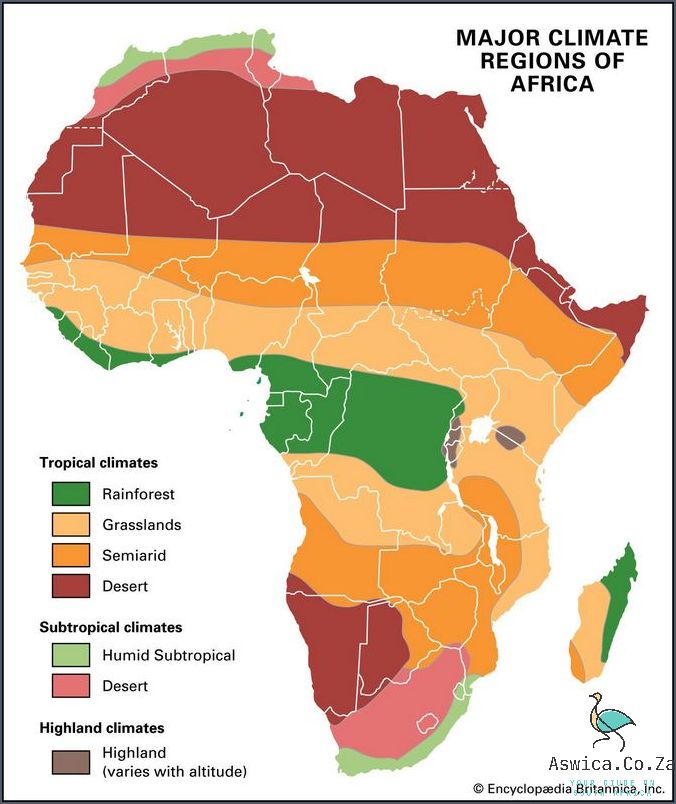
The Eastern Cape is a province of South Africa located on the south-eastern coast of the country. It is known for its wild, rugged beauty and its diverse climate, which is affected by the Indian Ocean and its numerous rivers. One of the most significant climatic features of the Eastern Cape is its rainfall, which is highly varied and highly seasonal.
Rainfall in the Eastern Cape is heavily influenced by the Indian Ocean, which provides a high level of humidity. The province is influenced by two main seasons: the summer rainy season and the winter dry season. During the summer months (October to April) the province receives the majority of its annual rainfall, with an average of 800mm per year. This is predominantly in the form of light to moderate showers, with occasional thunderstorms and heavy downpours. During the winter months (May to September) the province receives much less rainfall, with an average of only 150mm per year. These winter months are usually very dry and sunny, with occasional light showers.
The variation in rainfall in the Eastern Cape has a significant impact on the local flora and fauna. During the summer months, the province is a thriving hub of biodiversity, with lush green vegetation, rivers full of life and abundant wildlife. During the winter months, however, the landscape is much drier, with many rivers and waterholes drying up, and the wildlife retreating to more sheltered areas.
Overall, the Eastern Cape is a province of extremes, with wide variations in rainfall throughout the year. While this can make for a dynamic and exciting environment, it also makes for a challenging one, as the province’s inhabitants must be prepared for both periods of drought and periods of heavy rain.
Wind Patterns in Eastern Cape
The Eastern Cape of South Africa is known for its stunning landscapes, vibrant culture, and varied climate. It is no surprise then that the Eastern Cape’s wind patterns are an integral part of its unique atmosphere. From the austere mountain passes of the Drakensberg range to the rolling hills of the Karoo, the wind plays a large role in shaping the Eastern Cape’s climate.
In the winter months, the wind patterns of the Eastern Cape are largely influenced by the presence of the Benguela Current. This cold, south-flowing current flows along the entire coastline of the Eastern Cape, bringing with it strong south-westerly winds. These winds are responsible for the region’s dry, sunny weather during the winter months, as they keep precipitation away from the coast.
During the summer months, the winds of the Eastern Cape are largely influenced by the hot, humid air that is brought in from the Indian Ocean. This air brings with it strong, gusty winds that can make for some very windy days. The hot, humid air is also responsible for the region’s frequent thunderstorms during the summer months, as the turbulent air masses collide to create powerful thunderstorms.
The winds of the Eastern Cape also have a major impact on the region’s flora and fauna. The strong winds can cause trees to sway, creating a unique landscape that is both beautiful and calming. The wind also helps to carry moisture inland, providing vital water to the region’s wildlife and vegetation.
The Eastern Cape is a unique and beautiful region of South Africa, and its wind patterns play a large role in shaping its climate. From the dry, sunny winter months to the hot, humid summer months, the wind is an integral part of the Eastern Cape’s atmosphere. Whether you’re looking to relax in the tranquil mountain passes of the Drakensberg, or to experience the wildness of the Karoo, the Eastern Cape’s wind patterns can provide the perfect backdrop for your adventure.
Conclusion
The climate of the Eastern Cape is generally warm and temperate, with some coastal areas being cooler due to the influence of the ocean. The interior of the province is generally hotter, with the hottest temperatures occurring in the north-eastern parts of the province. The average rainfall in the Eastern Cape is about 500mm, with the majority of rainfall occurring in the summer months.


